
 By admin
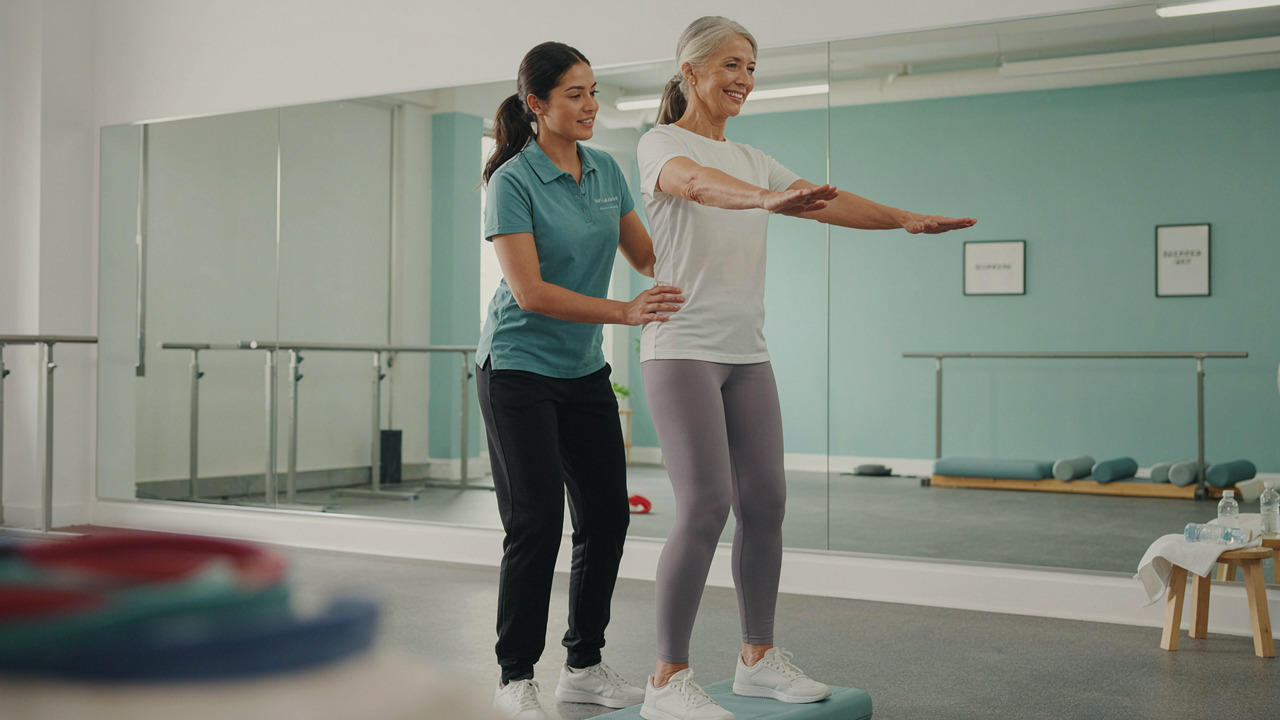
PTA stands for physical therapist assistant. A PTA is a licensed or certified healthcare worker who helps patients carry out the treatment plan that a physical therapist creates.
What does a PTA do?
- Guides patients through exercises and stretches
- Uses treatments such as hot and cold packs, electrical stimulation, and manual techniques as directed
- Teaches patients how to use walkers, canes, and braces
- Tracks and reports progress to the supervising physical therapist
- Educates patients and families on home programs
What a PTA cannot do
A PTA cannot perform the initial evaluation, make a diagnosis, or change the plan of care on their own. These tasks belong to the physical therapist, who supervises the PTA. Supervision rules vary by state.
PTA vs physical therapist vs aide
| Role | Education | Main responsibility |
|---|---|---|
| Physical therapist | Doctor of Physical Therapy (DPT) | Evaluates, diagnoses, plans treatment |
| PTA | Associate degree | Carries out the treatment plan under supervision |
| Aide | Usually high school diploma, on-the-job training | Prepares equipment and supports the clinic |
How to become a PTA
- Complete an associate degree from an accredited PTA program, typically about two years.
- Finish supervised clinical training.
- Pass the National Physical Therapy Examination for PTAs.
- Meet your state’s licensing or certification rules.
Where PTAs work
PTAs work in outpatient clinics, hospitals, nursing and rehabilitation facilities, home health, and schools.
Is becoming a PTA a good choice?
The PTA path is shorter and less expensive than the DPT path, and demand for the role is strong. Many PTAs later continue to a DPT through bridge programs, though these are less common.
Frequently asked questions
Can a PTA work alone? No. A PTA always works under a licensed physical therapist, though the level of on-site supervision depends on state rules.
Is a PTA the same as a physical therapy aide? No. A PTA has formal education and a license or certification. An aide does not provide treatment independently.